Powered by VC BioKinetics 2022
Biokinetic Treatments
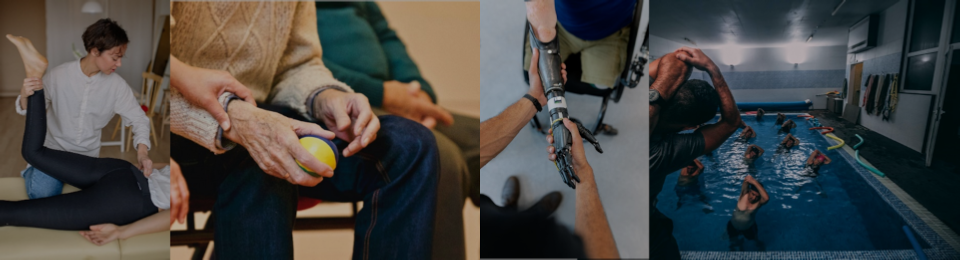
Orthopaedic rehabilitation is a biokinetic therapeutic approach to recovery, the purpose of which is to correct musculoskeletal limitations and alleviate pain from trauma, illness or surgery (post-operative rehabilitation).
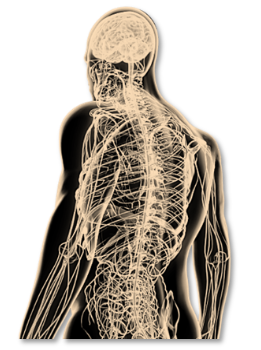
The musculoskeletal (locomotor) system consists of muscles, bones, joints, ligaments, tendons and cartilage. Orthopaedic rehabilitation includes an array of treatments formulated to correct any weaknesses, ailments and injuries in these musculoskeletal structures.
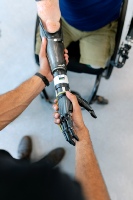
Orthopaedic rehabilitation helps patients to regain the use of their limbs through the incorporation of assistive devices and prosthetics and educates them on new methods to treat and circumvent any lingering musculoskeletal limitations.
Examples of the types of orthopaedic injuries and conditions that may require Orthopaedic rehabilitation include:
- ACL and meniscus tears
- Amputation
- Arthritis
- Broken bones
- Carpal tunnel syndrome
In addition to Orthopaedic rehabilitation, biokinetics is also applied in the treatment and management of chronic diseases such as diabetes and cardiovascular disease.
Biokinetic services are available and effective on people of all ages and gender.
Request an appointment>>>
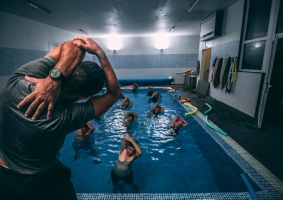
Hydrotherapy
Special Needs and Disability
Chronic Disease Management
Orthopaedic Rehabilitation


What is a Biokineticist?
A Biokineticist is an exercise specialist who improves a person’s physical condition and quality of life by means of physical assessment and the prescription of scientifically developed and medically approved exercise programmes.
Practising Biokineticists are required to be registered with the Health Professions Council of South Africa.

What is Biokinetics?
BIO[LIFE]KINETICS[MOVEMENT] : maintenance of quality of life through the use of physical activity!
Biokinetics is the Science of Movement and the application of exercise in the orthopaedic rehabilitation treatment of performance.
Modern day lifestyles have led to a dramatic reduction in physical activity which has resulted in a deterioration of the body’s physical function. The numerous health risks that have emerged have been directly responsible for the increase in cases of premature death or poor quality of life attributable to the onset of hypokinetic disease.
Biokinetics is a recognized professional medical discipline that applies scientifically based physical activity programmes to help prevent disease and to treat existing conditions.
Biokinetics is concerned with health care and promotion, maintenance of physical abilities, final phase/orthopaedic rehabilitation and improvement in physical functioning.

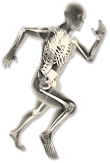
Biokinetics focusses on the strengthening of the musculoskeletal system to reduce the risk of injury during intensive locomotor activities such as sports and other daily physical activities.
Biokinetics plays a vital role in general health and well-being by negating the effects of stress ever present in our day to day lifestyles.
Biokinetics provides natural, non medicated, non surgical health treatments and rehabilitation techniques based on the body's inherent recuperative abilities.
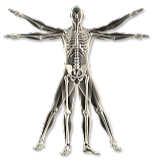
Biokineticists form part of a multi-disciplinary task team working hand in hand with:
- Physiotherapists
- Podiatrists
- Orthopaedic Surgeons
- Neuro-Surgeons
- Cardiologists
- Gynaecologists
- Dieticians
- Various other health professionals
Biokineticists evaluate and measure:
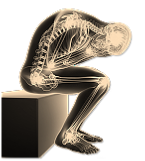
- Body posture
- Body composition
- Blood pressure
- Glucose levels
- Lung function
- Heart rate
- Fitness
- Muscle strength
- Endurance
- Power
- Flexibility
- Other health screenings
- Hip, knee and shoulder replacement
- Osteoporosis
- Sciatica
- Stroke
REHABILITATION
- ACL and meniscus tears
- Amputation
- Arthritis
- Broken bones
- Carpal tunnel syndrome
- Hip, knee and shoulder replacement
- Osteoporosis
- Sciatica
- Stroke